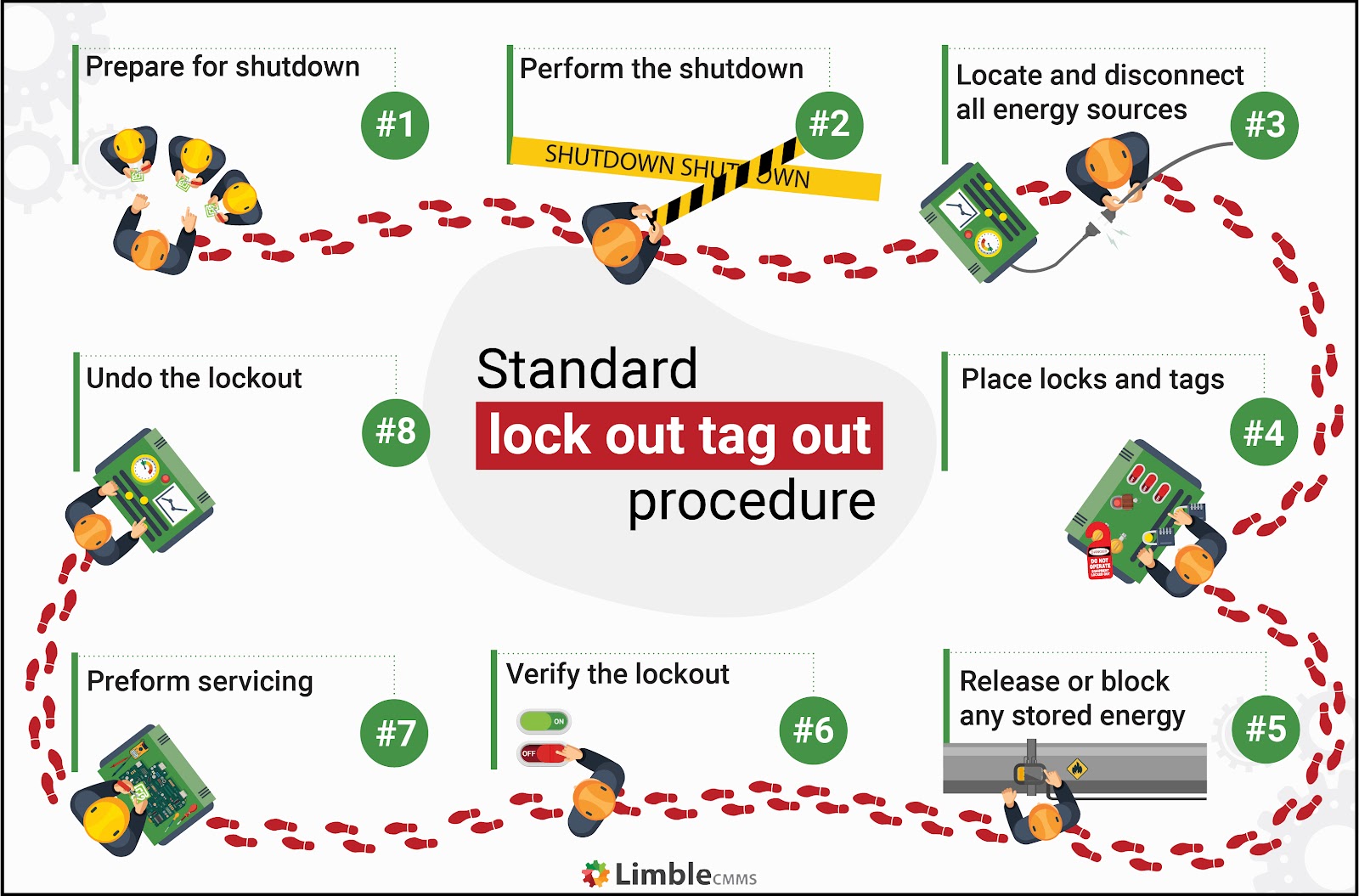
Machines don’t shut off dangers when they power down. Residual energy—electrical, hydraulic, pneumatic, chemical, or mechanical—can erupt without warning, turning routine maintenance into life-altering events. That’s where the lockout tagout procedure comes in. It’s not just a checklist. It’s a legally mandated, systematically enforced method to isolate energy sources and keep workers safe.
The core of the lockout tagout procedure definition lies in its purpose: to control hazardous energy during servicing or maintenance of machines and equipment. Misunderstandings about what LOTO actually involves lead to inconsistent application, compliance gaps, and avoidable injuries. This article breaks down the real-world meaning of lockout tagout, how it works, and why precision in execution matters more than paperwork.
The Lockout Tagout Procedure Definition: More Than Just a Lock
At its most basic, a lockout tagout (LOTO) procedure is a documented, step-by-step process to ensure machines are completely shut off and isolated from all energy sources before employees perform servicing or maintenance. But the definition goes deeper.
A true LOTO procedure includes: - Identification of all energy sources powering the equipment - Specific shutdown and isolation steps - Application of lockout and tagout devices by authorized personnel - Verification that zero energy remains - Clear communication with affected workers - Steps for safe re-energization
This isn’t a one-size-fits-all process. Each machine or system requires a tailored LOTO procedure based on its energy types, operational complexity, and workplace environment.
For example, a conveyor system in a warehouse may have electrical motors and tensioned belts. The LOTO procedure must account for both the electrical disconnect and the mechanical energy stored in tension. Simply cutting power isn't enough—the belt must be physically blocked or relieved before work begins.
The Occupational Safety and Health Administration (OSHA) standard 29 CFR 1910.147 forms the legal backbone of LOTO in the U.S. It defines the lockout tagout procedure as a “written energy control program” that ensures employees are protected during servicing operations.
Why a Clear LOTO Procedure Definition Matters
Ambiguity kills. When teams interpret “locking out a machine” loosely, the risk spikes.
Consider a real-world case: a technician bypassed a safety interlock on a packaging machine because the LOTO procedure didn’t specify how to handle automated restarts. The machine cycled unexpectedly, resulting in a crushed hand. Investigation revealed the procedure was outdated and didn’t reflect current controls.
This is why the lockout tagout procedure definition must be operational—not theoretical. It should answer: - Who is authorized to perform LOTO? - What are all the energy sources involved? - Where are isolation points located? - How is zero energy verified? - What steps restore the machine safely?
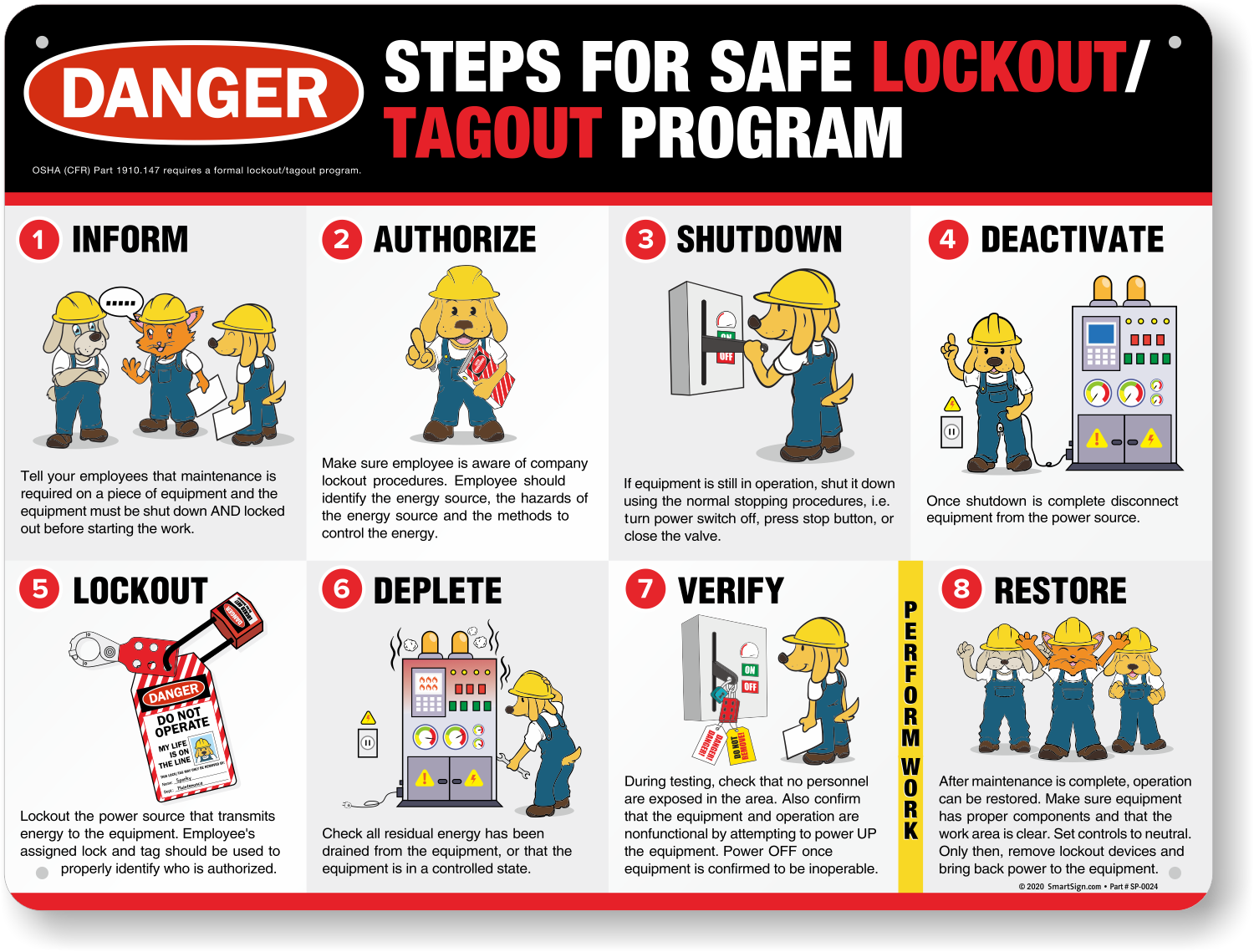
Without clarity, workers improvise. Improvisation leads to exposure.
A precise LOTO procedure prevents assumptions. It turns safety from a slogan into a repeatable, auditable process.
Key Elements of an Effective Lockout Tagout Procedure
A well-structured LOTO procedure isn’t just about slapping a lock on a switch. It’s built on six foundational elements:
#### 1. Machine-Specific Documentation Generic procedures fail. Each piece of equipment needs its own LOTO document. This includes diagrams, energy source listings, and step-by-step instructions unique to that machine.
#### 2. Clear Roles: Authorized vs. Affected Employees - Authorized employees implement the LOTO procedure—they apply locks and tags, verify isolation. - Affected employees operate or use the equipment but don’t perform maintenance. They must understand when LOTO is in place and why they can’t restart.
#### 3. Standardized Lockout Devices Devices must be: - Durable (withstand environment) - Exclusive (used only for safety) - Identifiable (clearly marked with employee name, date, department)
Padlocks, valve locks, circuit breaker covers, and hasps are common tools. Tags must include warnings like “Do Not Operate” and the reason for shutdown.
#### 4. Energy Isolation and Control This involves physically disconnecting or blocking each energy source: - Electrical: circuit breaker lockouts - Pneumatic: bleed valves and blanking flanges - Hydraulic: pressure release and isolation valves - Mechanical: blocking elevated parts or springs
#### 5. Verification of Zero Energy Never assume. Always test. After isolation, verify by: - Trying to start the machine (with safeguards in place) - Using voltage testers - Checking for residual pressure or motion
If energy is detected, the process isn’t complete.
#### 6. Controlled Re-Energization Only the authorized employee who applied the lock can remove it. Re-energization requires: - Confirming all tools are removed - Ensuring workers are clear - Notifying affected personnel - Restoring energy in proper sequence
Common Mistakes That Undermine LOTO Procedures
Even well-documented procedures fail when habits override rules. Here are real-world missteps:
- Group lockout without individual locks: A team uses one lock instead of each applying their own. If one person leaves, others might remove it prematurely.
- Using tags without locks: Tags alone don’t prevent accidental startup. Lockout is primary; tagging is secondary.
- Skipping verification: Assuming the machine is dead without testing.
- Poor communication: Failing to notify all affected workers before shutdown or restart.
- Outdated procedures: Machines are modified, but LOTO steps aren’t updated.
One manufacturing plant reduced LOTO incidents by 72% after auditing procedures and retraining staff on verification steps. The fix wasn’t new tools—it was reinforcing the definition: LOTO means positive isolation, not convenience.
Example: Lockout Tagout Procedure for a Hydraulic Press
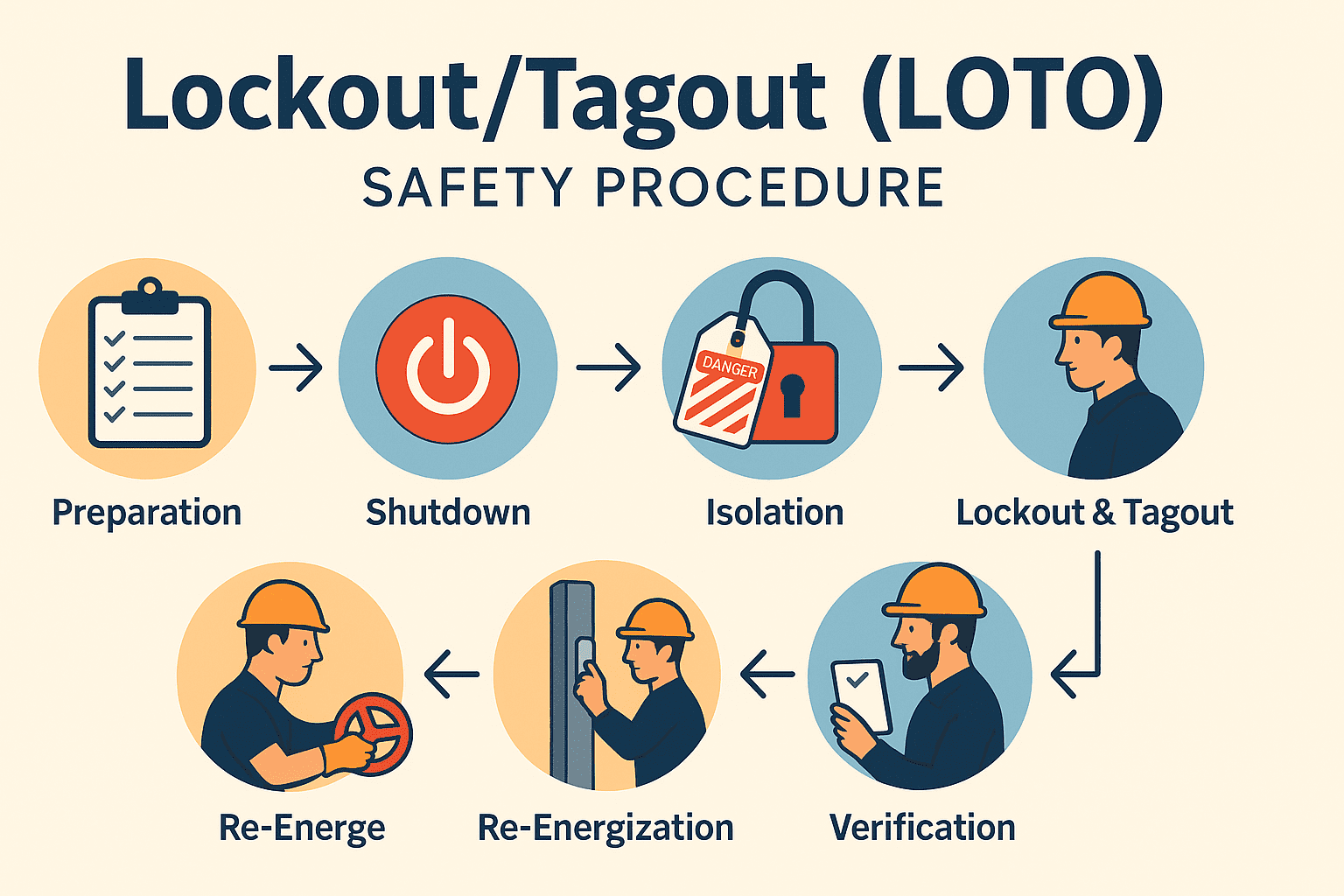
To illustrate, here’s a simplified LOTO procedure for a hydraulic press:
- Notify all affected employees that maintenance is starting.
- Shut down the press using the control stop button.
- Turn off the main electrical disconnect and apply a personal lock and tag.
- Close and lock the hydraulic fluid supply valve.
- Open the pressure relief valve to bleed residual pressure.
- Lower any raised rams and block them mechanically.
- Attempt to start the press using the control panel (verify no movement or pressure).
- Begin maintenance only after zero energy is confirmed.
Each step is deliberate. Skipping step 5—bleeding pressure—could result in sudden ram movement, even with power off.
This example shows why a LOTO procedure definition must include verification, not just isolation.
Integrating LOTO Into Daily Operations
A LOTO procedure only works if it’s embedded in workflow—not treated as a compliance hurdle.
Best practices for integration: - Conduct annual audits of all LOTO procedures - Train new hires within 30 days of starting - Review procedures after incidents or near-misses - Use visual aids like laminated checklists near machines - Empower workers to stop work if LOTO isn’t followed
One auto parts facility introduced “LOTO spot checks” during shift changes. Supervisors randomly observed lockout execution and provided immediate feedback. Over six months, compliance rose from 68% to 96%.
The key wasn’t more rules—it was making the procedure definition actionable and visible.
Limitations of Lockout Tagout and When Alternatives Apply
LOTO is powerful but not universal.
Certain tasks are exempt under OSHA, including: - Minor tool changes that occur during normal production - Routine lubrication, cleaning, or inspection if performed using effective alternative protections
However, the exemption only applies if the work is: - Repetitive and integral to production - Done using safe, standardized methods - Not requiring removal of safety guards
For example, wiping down a food processor during a line change may not require full LOTO if the risk is controlled via interlocks and quick cleaning tools. But replacing a blade does.
Misclassifying maintenance as “minor servicing” is a common compliance trap. When in doubt, implement LOTO.
Closing: Make the Lockout Tagout Procedure Definition Work for You
A lockout tagout procedure isn’t a document to file and forget. It’s a living system that protects lives every time a machine is serviced.
Start by reviewing your current procedures. Are they machine-specific? Do they include verification steps? Can a new technician follow them without guessing?
Update them. Train on them. Audit them. Then treat every LOTO event as non-negotiable.
Because in the end, the lockout tagout procedure definition isn’t about meeting OSHA standards—it’s about ensuring every worker goes home the same way they arrived: safe, whole, and unharmed.
Frequently Asked Questions
What is the main purpose of a lockout tagout procedure? The main purpose is to control hazardous energy during maintenance, preventing unexpected startup or release of stored energy that could injure workers.
Who is responsible for implementing LOTO? Authorized employees—those trained and responsible for locking out machines—must implement the procedure. Affected employees must comply and not interfere.
Can tagout be used without lockout? Only in cases where energy isolation cannot be achieved with a lock, and only if the tagout system provides equivalent protection. Lockout is always preferred.
How often should LOTO procedures be reviewed? At least annually, or whenever equipment is modified, a new hazard is identified, or an incident occurs.
What happens if a worker removes a lockout device early? Removing a lock without proper authorization is a serious safety violation and can result in disciplinary action, retraining, or legal liability if injury occurs.
Is LOTO required for battery-powered tools? Yes, if servicing involves accessing internal components or hazardous energy sources. The battery must be removed and the tool locked/tagged.
Can multiple workers use one lock during group maintenance? No. Each authorized worker must apply their own lock. A group lockout box or hasp ensures all must agree before re-energization.
FAQ
What should you look for in What Is a Lockout Tagout Procedure? Clear Definition and Key Steps? Focus on relevance, practical value, and how well the solution matches real user intent.
Is What Is a Lockout Tagout Procedure? Clear Definition and Key Steps suitable for beginners? That depends on the workflow, but a clear step-by-step approach usually makes it easier to start.
How do you compare options around What Is a Lockout Tagout Procedure? Clear Definition and Key Steps? Compare features, trust signals, limitations, pricing, and ease of implementation.
What mistakes should you avoid? Avoid generic choices, weak validation, and decisions based only on marketing claims.
What is the next best step? Shortlist the most relevant options, validate them quickly, and refine from real-world results.


